
Views: 2025 Author: Keystone Vessel (Wuhan) Publish Time: 2024-07-29 Origin: Keystone Vessel (Wuhan)
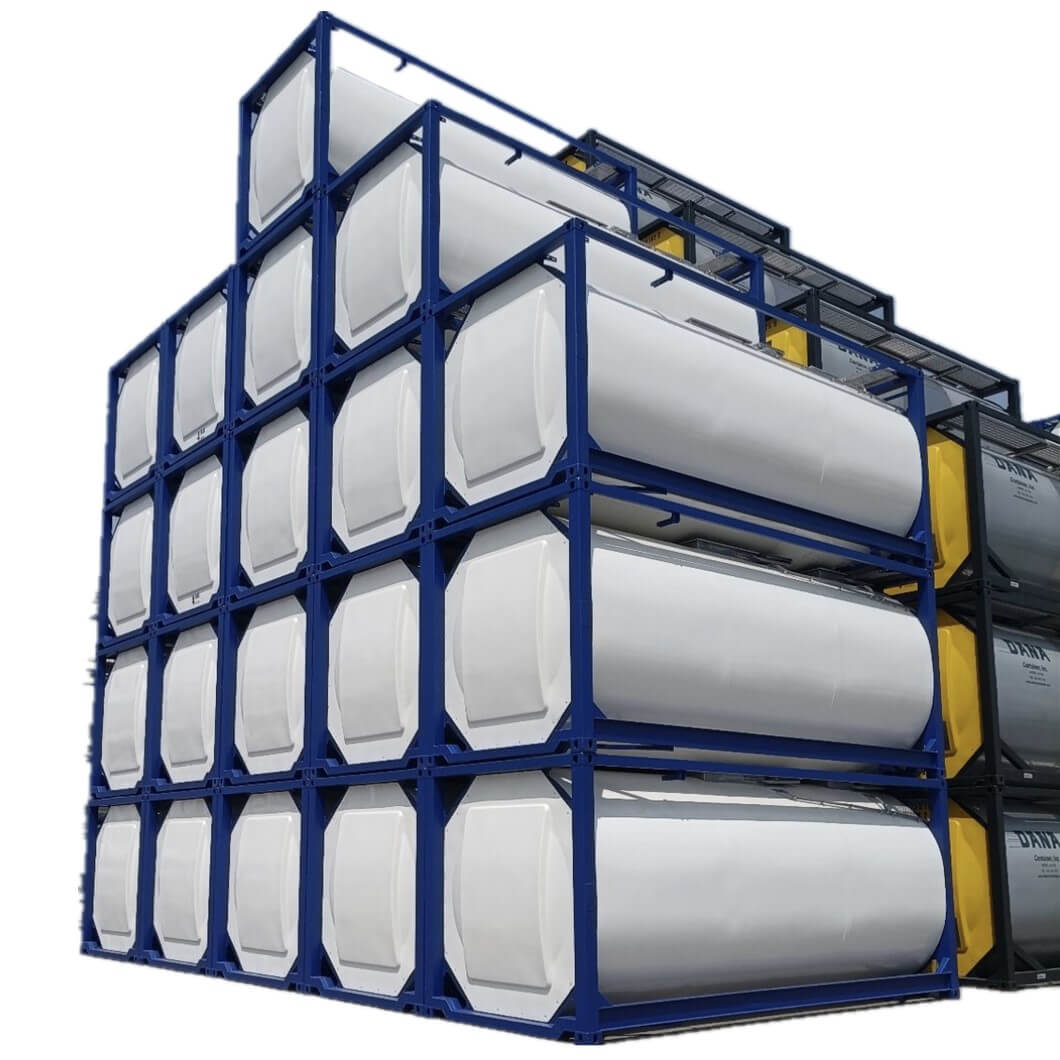
KSC210L 6N High-Purity Stainless Steel UN Specialty Gas Cylinders for TCS /3MS/4MS

KSC210L High-Purity Stainless Steel UN Specialty Gas Cylinder
Product Model :KSC210L
Volume:210L
Operating Temperature:-40~65℃
Certification Medium:TCS、3MS、4MS……
Optional Certificate:UN
Work Pressure:1.2MPa
Product Description:Precision containers in the high-purity gas storage field are designed with a focus on safety,purity,and compatibility.
Keystone Vessel High-Purity Stainless Steel UN Gas Cylinders for 3MS/4MS
3MS (Trichlorosilane, SiHCl₃) and 4MS (Silicon Tetrachloride, SiCl₄) are core raw materials for semiconductor polysilicon production and CVD/ALD film deposition processes. Both are corrosive, toxic, and hydrolyzable hazardous chemicals, requiring dedicated high-purity stainless steel UN-certified gas cylinders for storage and transportation to ensure gas purity and operational safety. The following are the core technical specifications, safety requirements, and application guidelines for such cylinders.
I. Basic Definition and UN Certification Requirements
1. Target Medium
○ 3MS: Trichlorosilane, a colorless fuming liquid/gas with pungent odor, UN No. 1295, Hazard Class 4.3 (Dangerous when wet) + 8 (Corrosive).
○ 4MS: Silicon Tetrachloride, a colorless fuming liquid, UN No. 1818, Hazard Class 8 (Corrosive).
2. Keystone Vessel UN Certification Compliance
○ The cylinder must comply with UN ISO 9809 series standards (ISO 9809-1/2/3) for seamless steel gas cylinders, with official UN certification marks (e.g., UN 1A1, UN 1AA1) on the cylinder body.
○ Certification covers pressure resistance, material compatibility, leakage prevention, and hazard labeling, meeting international transportation requirements (IMDG Code for maritime, IATA for aviation, ADR for road).
II. Core Technical Specifications of Keystone Vessel High-Purity Stainless Steel Cylinders

Parameter Item | Technical Requirements |
Main Material | 316L stainless steel (022Cr17Ni12Mo2) or Hastelloy C-276; carbon content ≤ 0.03% to avoid metal ion contamination and ensure corrosion resistance to chlorosilanes. |
Inner Wall Treatment | Electropolishing + passivation; surface roughness Ra ≤ 0.05μm to minimize medium adsorption and impurity residue; particle count (≥0.1μm) ≤ 10 particles per cylinder. |
Pressure Rating | Design Pressure: 10–15 MPa; Test Pressure: 1.5×Design Pressure (hydrostatic test); Working Pressure: ≤80% of Design Pressure to ensure safety margin. |
Volume Specification | Common volumes: 2.5L ,47L, 110L, 200L,210L,450L,900L; water volume error ≤ ±1%, suitable for small-batch high-purity 3MS/4MS storage and transportation. |
Valve Configuration | Corrosion-resistant diaphragm valve or bellows-sealed valve; seal material: PTFE/PFA or fluororubber; interface standard: CGA 350/DISS 632 (special for corrosive gases); leak rate ≤ 1×10⁻⁹ Pa·m³/s (helium leak test). |
Purity Adaptability | Compatible with electronic-grade 3MS/4MS (purity ≥ 99.999%); after inert gas purging, internal moisture ≤ 5 ppb, oxygen content ≤ 0.1%. |
III. Key Safety Requirements for Storage and Transportation
1. Storage Safety Norms
Link | Operation Requirements |
Storage Environment | Dedicated closed warehouse with negative pressure ventilation; temperature: 0–25℃, relative humidity ≤ 30%; equipped with 3MS/4MS gas detection alarm (toxicity + corrosivity) and inert gas (nitrogen) purging system. |
Isolation Requirements | Store separately from water, strong acids, strong bases, oxidants, and food; spacing from ignition sources ≥ 15 meters; mark with "Corrosive Gas" and "Dangerous When Wet" warning signs. |
Cylinder Placement | Place upright and fix with stainless steel brackets; pad with anti-corrosion cushions at contact points to avoid collision and wear; separate cylinders of different batches/purities. |
Routine Inspection | Daily check: cylinder pressure, valve sealing, and warehouse gas concentration; weekly helium leak test for valve interfaces; monthly inspection of ventilation and alarm systems. |
2. Transportation Safety Norms
1. Transportation Qualifications
○ Use UN-certified dangerous goods transport vehicles (tank-type special vehicles) with anti-corrosion and anti-static modifications; drivers and escorts must hold hazardous chemicals transport certificates.
2. Loading and Fixing Requirements
○ Fix cylinders with dedicated anti-slip brackets to prevent tipping or collision; ensure valves are sealed and protected with caps; avoid mixing with incompatible goods (e.g., water, oxidants).
3. Environmental Control
○ Transportation temperature: -10–30℃; avoid sunlight exposure and rain immersion; use refrigerated vehicles in summer to prevent 3MS/4MS volatilization and pressure rise.
4. Labeling and Documentation
○ Affix UN hazard labels (Class 4.3/8), "No Open Flame" prompts, and transportation documents (including SDS, UN certification, and purity reports) on the vehicle.
IV. Safe Operation Guidelines for Cylinder Use
1. Pre-Use Preparation
• Operation Area: Inert gas (nitrogen/argon) protected glove box or negative pressure ventilation workshop; equipped with emergency shower/eyewash station (≤10m from operation point) and calcium gluconate gel (for HF corrosion first aid, as 3MS/4MS hydrolyze to produce HF).
• Personal Protective Equipment (PPE): Wear positive pressure air respirator (full-face mask), PFA chemical protective clothing, fluororubber gloves, and anti-corrosion boots; prohibit wearing chemical fiber clothing to avoid static electricity.
• Equipment Inspection: Confirm cylinder valves and connecting pipelines (316L stainless steel/PFA material) are intact; purge pipelines with nitrogen to reduce oxygen content ≤ 0.1% before connection.
2. In-Use Operation
• Open the valve slowly, purge the interface with small flow for 30 seconds to remove residual air, then connect to the process system; strictly control gas flow rate to avoid pressure surge.
• Real-time monitor the concentration of 3MS/4MS in the operation area; if the alarm threshold is exceeded, immediately close the valve, stop operation, and ventilate with inert gas until the concentration is qualified.
• Prohibit knocking, colliding, or welding the cylinder; keep the cylinder upright during use, and do not place it horizontally or invert it.
3. Post-Use Treatment
• After use, close the cylinder main valve first, then purge residual 3MS/4MS in the pipeline with nitrogen to prevent hydrolysis and pipeline blockage.
• Seal the valve port with a dedicated plug, record usage time, dosage, and residual pressure, and transfer the cylinder back to the dedicated storage area.
V. Maintenance and Remanufacturing Requirements
1. Daily Maintenance
○ Keep the cylinder surface clean; wipe with anhydrous ethanol regularly to remove dust and corrosive residues; avoid contact with water or acidic substances.
○ Check valve flexibility periodically; if jamming or leakage occurs, replace the valve or seal with professional maintenance to avoid unauthorized disassembly.
2. Periodic Inspection
○ Hydrostatic test every 5 years, and ultrasonic thickness measurement for the cylinder body; if wall thickness reduction exceeds 10% or corrosion pits are found, the cylinder must be scrapped.
○ After each use, conduct internal cleaning and passivation treatment to remove residual medium and prevent material corrosion.
3. Remanufacturing and Scrap Disposal
○ For cylinders that fail inspection or reach service life, entrust professional institutions for inert gas purging and harmless treatment; prohibit random disposal or reuse.
○ Remanufacturing services (e.g., inner wall re-polishing, valve replacement, pressure test) can restore cylinder performance, extend service life, and reduce operating costs.
VI. Core Advantages for Keystone Vessel 3MS/4MS Application
1. Material Compatibility: 316L stainless steel/Hastelloy has excellent corrosion resistance to 3MS/4MS and their hydrolysis products (HF), avoiding cylinder corrosion and gas contamination.
2. High Purity Guarantee: Electropolished inner wall with low adsorption ensures that 3MS/4MS purity remains stable during storage and transportation, meeting semiconductor industry requirements.
3. International Compliance: UN certification enables global circulation, suitable for cross-border transportation of 3MS/4MS, and complies with the hazardous chemical management regulations of various countries and regions.
Keystone Vessel Specializing - Industrial Gas Cylinders| ISO Tank| Pressure Vessel| UN Portable Tank


