
Views: 2025 Author: Keystone Vessel (Wuhan) Publish Time: 2024-10-11 Origin: Keystone Vessel (Wuhan)
Catalyst BF3 (Boron Trifluoride Gas) 615L 15~25Mpa UN 1008 Spherical Tank Technical Specifications & Safety Guidelines
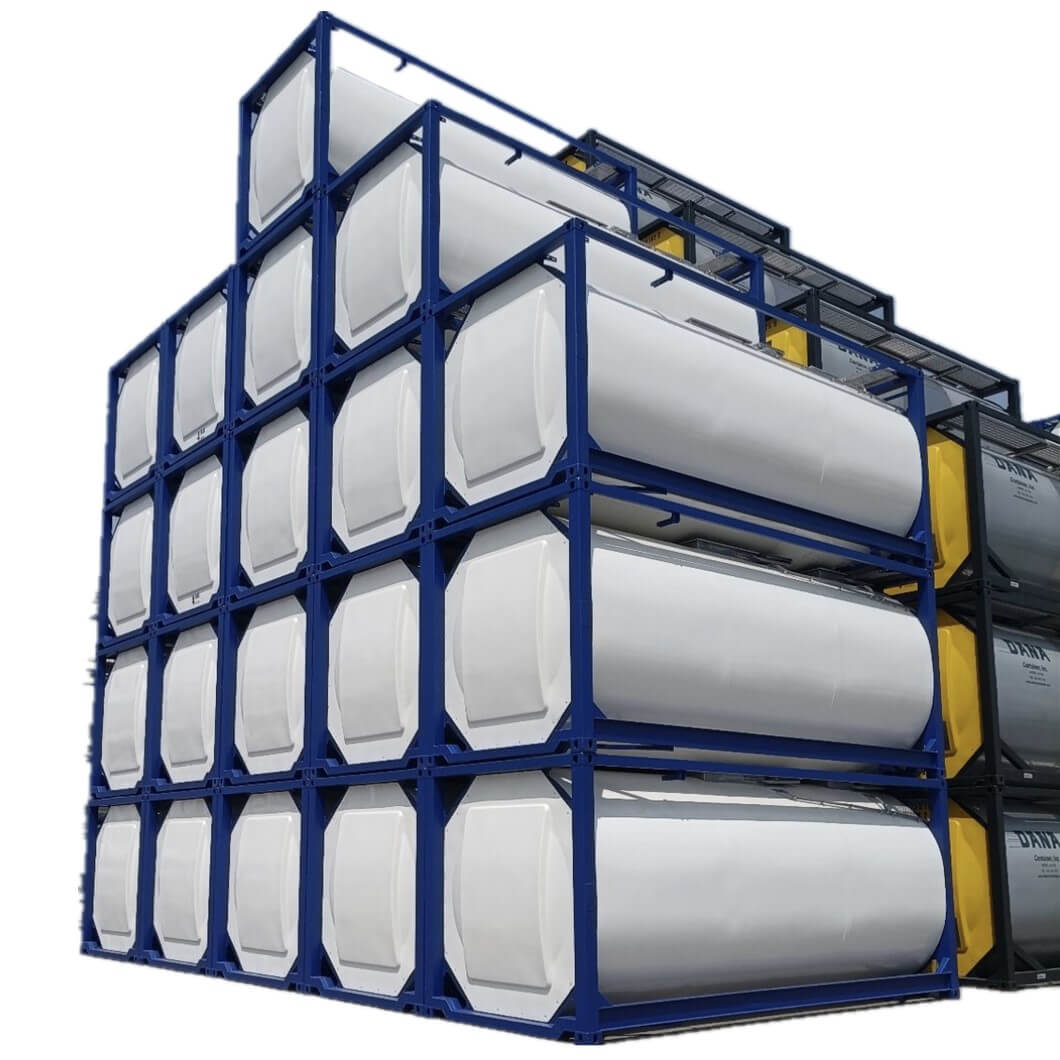
KSC615L Boron Trifluoride Gas Cylinder
Certification medium:Boron trifluoride BF3 UN 1008 Etc
Optional Certificate: TS、UN、IMDG、TPED
Service Temperature:-40~60℃
Manufacturing standard:TSG23、ISO21172-1、GB/T 150.1~4
Material :P460NL1
Maximum working pressure:20/-0.103MPa @60℃
Polishing grade:Ra 2.5
Valve joint:M35X2 6g CGA642
Valve type:Manual, pneumatic diaphragm valve
Applicable valve:Ermeto Neriki

Model:KSC615A Volume:615L Working pressure:15 MPa Test pressure:22.5 MPa Cvinder Net weight :1.4tons | Model:KSC615B Volume:615L Working pressure:18.5 MPa Test pressure:27.7MPa Cylinder Net weight: 1.7 tons |
Keystone Vessel BF₃ (Boron Trifluoride) 615L Spherical Tank Technical Specifications & Safety Guidelines
BF₃ (Boron Trifluoride) is a highly toxic, corrosive, and hydrolyzable gas that poses significant risks to human health and the environment. The 615L spherical tank designed for BF₃ storage and transportation adopts high-quality materials and dual certifications to ensure safe and compliant operation. The following are the detailed technical specifications, certification information, and safety requirements.
I. Core Technical Specifications
Parameter Item | Specification Details |
Medium | BF₃ (Boron Trifluoride), a colorless, toxic, and corrosive gas that hydrolyzes in moist air to produce hydrofluoric acid and boric acid |
Tank Type | Spherical tank (high structural stability, uniform stress distribution, suitable for high-pressure gas storage) |
Volume | 615L (water volume), error ≤ ±1% |
Main Material | P460 steel (high-strength carbon steel with excellent pressure resistance and corrosion resistance, compatible with dry BF₃ ) |
Working Pressure | 20 MPa |
Test Pressure | 25 MPa (hydrostatic test, ensuring no permanent deformation or leakage under extreme pressure conditions) |
Design Temperature Range | -30℃ ~ 50℃ (avoiding temperature-induced pressure fluctuations; storage temperature should not exceed 30℃ to ensure safety ) |
Valve Configuration | Corrosion-resistant metal-sealed valve or PTFE-lined diaphragm valve; leak rate ≤ 1×10⁻⁹ Pa·m³/s (helium leak test); interface complies with international pressure vessel standards |
Safety Accessories | Equipped with safety valve (set pressure matching working pressure), pressure gauge (precision grade ≥ 1.6), and rupture disk (overpressure protection); all accessories are oil-free and compatible with BF₃ |
II. Certification Information (Domestic & EU Dual Certification)
• DOT Certification: Complies with the U.S. Department of Transportation (DOT) standards for high-pressure gas containers, covering material quality, structural design, pressure resistance, and safety performance, enabling legal circulation in North American and DOT-recognized regions.
• TPED Certification: Meets the requirements of the European Pressure Equipment Directive (TPED, 2014/68/EU), which specifies strict safety standards for pressure equipment used in the EU market, including design, manufacturing, inspection, and marking, ensuring compliant use and circulation within the EU.
• Domestic Certification: Conforms to Chinese national standards such as GB/T 12337《Spherical Pressure Vessels》and TSG R0006《Safety Supervision Regulations for Pressure Vessels》, with complete inspection certificates and supervision records .
III. Key Safety Requirements for Storage & Transportation

1. Storage Safety Norms
• Storage Environment: Store in a dedicated, cool, dry, and well-ventilated toxic gas warehouse; avoid direct sunlight and heat sources (ambient temperature ≤ 30℃); relative humidity ≤ 30% to prevent BF₃ hydrolysis . The warehouse should be equipped with BF₃ gas detection and alarm devices (alarm threshold ≤ 1 mg/m³, consistent with ACGIH TLV-C standards) and emergency absorption equipment (alkaline solution such as caustic potassium for neutralization ).
• Isolation Requirements: Store separately from water, alcohols, amines, alkalis, and food; keep a distance of ≥ 15 meters from open flames and heat sources; post obvious warning signs such as "Toxic Gas", "Corrosive", and "No Open Flame" .
• Tank Placement: Place on a stable, flat foundation, fixed with anti-displacement devices to prevent tipping or collision; regularly check the tank body for corrosion, deformation, and valve sealing .
• Routine Inspection: Daily inspection of pressure gauge readings (maintaining normal working pressure range) and gas detection alarms; weekly leak test using soapy water or professional gas detectors (BF₃ can be identified by white smoke in moist air ); annual comprehensive inspection including wall thickness measurement and safety accessory calibration.
2. Transportation Safety Norms

• Transport Vehicle Requirements: Use dedicated dangerous goods transport vehicles with anti-static, anti-corrosion, and pressure-resistant modifications; drivers and escorts must hold hazardous chemicals transport qualifications and be familiar with BF₃ hazard characteristics and emergency disposal methods .
• Loading & Fixing: Secure the spherical tank firmly with dedicated brackets during transportation to avoid vibration and collision; ensure the valve is sealed and protected with a valve cap; strictly prohibit mixing with incompatible goods (e.g., water, oxidants) .
• Transportation Environment: Avoid transportation in extreme temperatures (below -30℃ or above 50℃); take sunshade and heat insulation measures in summer; prevent rain and moisture intrusion .
• Labeling & Documentation: Affix DOT and TPED certification marks, hazard labels (toxic, corrosive), and transportation documents (including SDS, certification certificates, and inspection reports) on the vehicle .
IV. Safe Operation Guidelines
1. Pre-Use Preparation
• Operators must receive professional training, be familiar with BF₃ hazard characteristics and operating procedures, and pass assessments before taking up posts .
• Wear personal protective equipment (PPE): full-face positive pressure air respirator, chemical protective clothing (isolation type), fluororubber gloves, and anti-corrosion boots; prohibit wearing chemical fiber clothing to avoid static electricity .
• Check the tank body, valves, and connecting pipelines for intactness; purge the pipeline system with inert gas (nitrogen) to remove moisture and air before connection (moisture can cause BF₃ hydrolysis and equipment corrosion ).
2. In-Use Operation
• Open the valve slowly to avoid pressure surges; purge the interface with a small flow of BF₃ for 30 seconds before connecting to the process system; strictly control the gas flow rate according to process requirements .
• Real-time monitor the BF₃ concentration in the operation area; if the alarm is triggered, immediately close the valve, stop operation, and ventilate with inert gas until the concentration returns to a safe level .
• Prohibit knocking, colliding, or welding the tank body; do not arbitrarily increase the pressure of the tank or transfer gas between containers .
3. Post-Use Treatment
• After use, close the main valve first, then purge residual BF₃ in the pipeline with inert gas to prevent hydrolysis and pipeline blockage .
• Seal the valve port with a dedicated plug, record the usage time, dosage, and residual pressure, and transfer the tank back to the dedicated storage area .
• Do not empty the BF₃ in the tank completely; keep a residual pressure of ≥ 0.5 MPa to prevent external air and moisture from entering .
V. Emergency Disposal Measures
1. Leakage Handling
• Immediately isolate the leak area, set up a warning zone (≥ 50 meters for small leaks, ≥ 100 meters for large leaks), and evacuate irrelevant personnel from the upwind direction .
• Emergency personnel must wear full protective equipment; use alkaline solution-soaked cloth or lime to cover and neutralize the leak (avoid direct water flushing, which may cause violent hydrolysis of BF₃ ).
• For large-scale leaks, use spray water to suppress vapor diffusion and guide the gas to an emergency absorption system (alkaline solution absorption) .
2. Personnel Injury First Aid
• Inhalation: Transfer the patient to a well-ventilated area with fresh air, keep the respiratory tract unobstructed, give oxygen if necessary, and seek medical attention immediately .
• Skin Contact: Immediately remove contaminated clothing, rinse the affected area with a large amount of flowing water for at least 15 minutes, and seek medical attention .
• Eye Contact: Separate the eyelids, rinse thoroughly with flowing water or normal saline for 5-10 minutes (remove contact lenses if possible), and seek medical attention immediately .
3. Fire Handling
• BF₃ itself is non-flammable; select appropriate fire extinguishers (dry powder, carbon dioxide, or foam) according to the cause of the fire .
• Firefighters must operate from the upwind direction, wear full protective equipment, cool the tank body with water spray, and move the tank to an open area if possible .
VI. Maintenance & Scrap Disposal
• Daily Maintenance: Keep the tank surface clean; wipe with anhydrous ethanol regularly to remove dust and corrosive residues; avoid contact with water and acidic/alkaline substances .
• Periodic Inspection: Conduct a comprehensive inspection every 3 years (hydrostatic test, wall thickness measurement, and safety accessory calibration); for containers with corrosion pits or wall thickness reduction exceeding 10%, stop using them immediately and apply for scrap .
• Scrap Disposal: Entrust professional institutions with hazardous waste disposal qualifications to purge residual BF₃ with inert gas, neutralize it with alkaline solution, and then perform harmless treatment (cutting, recycling, or destruction); establish a scrap account with a retention period of not less than 5 years .
Keystone Vessel Specializing - Industrial Gas Cylinders| ISO Tank| Pressure Vessel| UN Portable Tanks


