
Views: 2025 Author: Keystone Vessel (Wuhan) Publish Time: 2024-03-04 Origin: Keystone Vessel (Wuhan)
High Purity HBr Electronical Grade 47L UN 1048 Hydrogen Bromide Stainless Steel Gas Cylinders for Peric
KSC47G High Purity HBr Gas Cylinder
Product Model :KSC47G
Operating Temperature:-40~65℃
Certification Medium:HBr、3MS、4MS……
Optional Certificate:UN、TS、TPED
Work Pressure:5MPa
UN 1048 Product Description:Precision containers in the high-purity gas storage field are designed with a focus on safety,purity,and compatibility.
UN 1048 Hydrogen Bromide (HBr)
Hydrogen Bromide (chemical formula: HBr) is an important inorganic chemical raw material. It is a colorless gas with an irritating odor, which is easily soluble in water to form hydrobromic acid (a strong acid with strong corrosiveness). It is widely used in pharmaceutical synthesis, perfume preparation, semiconductor etching and other fields. However, it has dangerous characteristics such as high toxicity and strong corrosiveness, so strict compliance with safe operation and regulatory management requirements is necessary. The following is a detailed explanation of its core information and key specifications:
I. Basic Identification Information
Item | Details |
English Name | Hydrogen Bromide (gaseous state); Hydrobromic Acid (aqueous solution) |
CAS Number | 10035-10-6 (gaseous HBr) |
Chemical Formula | HBr |
Molecular Weight | 80.91 g/mol |
UN Number | UN 1048 (Anhydrous Hydrogen Bromide, compressed/liquefied); UN 1243 (Hydrobromic Acid, aqueous solution) |
Hazard Class | Class 2.3 Toxic Gas (anhydrous HBr); Class 8 Corrosive Substance (hydrobromic acid) |
II. Core Physical and Chemical Properties
1. State and Appearance: Colorless gas with a strong pungent odor under normal temperature and pressure; easily soluble in water (solubility about 221 g/100 mL at 20℃), also soluble in organic solvents such as ethanol and ether. The aqueous solution is hydrobromic acid, which is pale yellow or colorless (may appear pale yellow at high concentration due to a small amount of elemental bromine).
2. Key Temperature Parameters: Melting point -86.9℃, boiling point -66.8℃ (gaseous state); boiling point of hydrobromic acid (47% concentration) is about 126℃.
3. Density: Relative density of gas (air=1) is 3.3 (heavier than air, tending to accumulate in low-lying areas); density of liquid hydrogen bromide is 1.49 g/cm³ (-67℃); density of 47% hydrobromic acid is 1.49 g/cm³ (20℃).
4. Chemical Stability:
○ Anhydrous hydrogen bromide is stable at normal temperature, but can decompose into hydrogen and elemental bromine at high temperature (about 1000℃);
○ It does not form an explosive mixture with air, but can be oxidized to elemental bromine when in contact with strong oxidants (such as chlorine gas, hydrogen peroxide);
○ Hydrobromic acid is strongly acidic and can undergo neutralization or displacement reactions with metals, metal oxides and bases to form bromides.
III. Hazardous Characteristics and Safety Protection
1. Core Hazardous Characteristics
• Toxicity: Inhalation of hydrogen bromide gas can cause respiratory tract irritation (cough, chest tightness, difficulty breathing), and severe cases can lead to pulmonary edema and laryngeal spasm; direct contact with eyes and skin can cause severe burns; ingestion of hydrobromic acid can corrode the oral cavity, esophagus and gastric mucosa, causing severe pain, bleeding, etc. Occupational Exposure Limit (OEL): PC-TWA 2 mg/m³, PC-STEL 5 mg/m³ (China GBZ 2.1-2019).
• Corrosiveness: Anhydrous hydrogen bromide is corrosive to most metals (weakly corrosive to carbon steel in dry environment, and enhanced corrosiveness in humid environment); hydrobromic acid has strong corrosive effect on metals, glass, ceramics, etc.
• Other Risks: After leakage, hydrogen bromide gas will form white acid mist when encountering water vapor, expanding the pollution range; contact with alkaline substances such as ammonia and amines will cause violent reactions and release a lot of heat.
2. Safety Protection Measures
• Personal Protective Equipment (PPE):
○ Respiratory Protection: Wear a positive pressure air respirator (equipped with an acid gas filter canister) in poorly ventilated environments or when leakage may occur;
○ Eye Protection: Wear chemical splash goggles or a full face shield;
○ Skin Protection: Wear acid-corrosion-resistant protective equipment (such as fluororubber chemical protective clothing, nitrile rubber gloves, chemical-resistant boots) to avoid direct skin contact.
• Work Environment Requirements:
○ The operation site must be well ventilated (equipped with a forced ventilation system), and a hydrogen bromide gas detection and alarm device (alarm threshold lower than the occupational exposure limit) should be installed;
○ Emergency shower, eye washer (no more than 15 meters away from the operation point) and neutralizing emergency materials (such as sodium carbonate solution, lime powder) should be provided on site;
○ Smoking and hot work are strictly prohibited at the operation site, and mixing or contacting with oxidants and alkaline substances should be avoided.
• Emergency Treatment:
○ Inhalation: Immediately leave the contaminated environment, move to a well-ventilated place, and keep the respiratory tract unobstructed; if breathing is difficult, give oxygen and seek medical attention immediately;
○ Skin Contact: Immediately take off contaminated clothing, rinse the contact area with a large amount of flowing water for at least 15 minutes, then rinse with a weakly alkaline solution (such as 5% sodium carbonate solution) and seek medical attention;
○ Eye Contact: Immediately rinse with a large amount of flowing water or normal saline for at least 15 minutes and seek medical attention;
○ Leakage Treatment: Quickly evacuate personnel in the leakage-contaminated area to a safe area and set up a warning zone; emergency personnel should wear corresponding protective equipment and close the leakage source (such as closing the cylinder valve); small leaks can be neutralized with dry lime powder or sodium carbonate powder, and large leaks need to build a dike to contain them and be handled by professional institutions.
IV. Storage and Transportation Specifications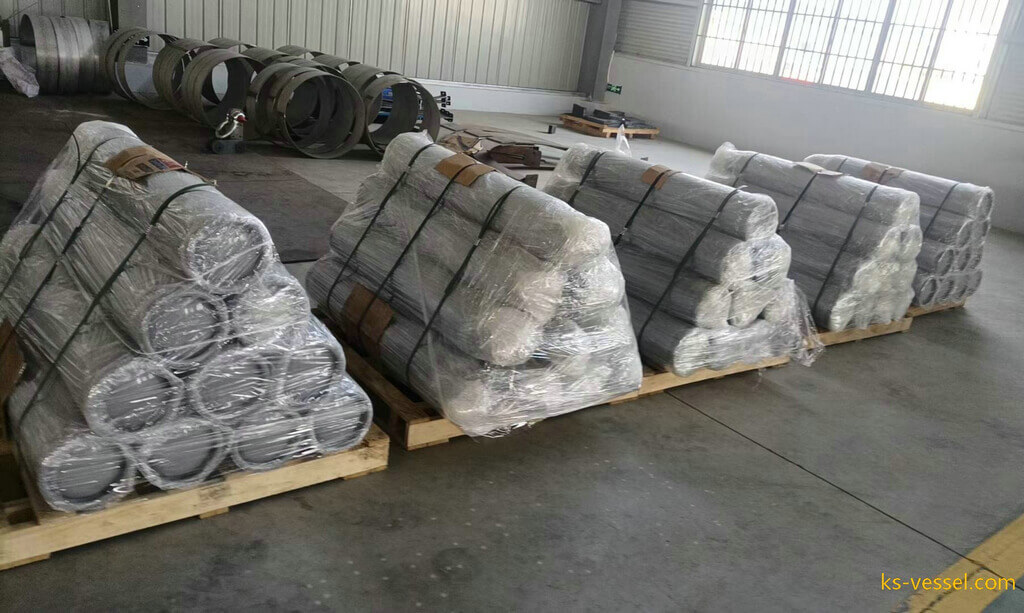
1. Storage Requirements
• Anhydrous Hydrogen Bromide: Store in corrosion-resistant high-pressure steel cylinders (such as 316L stainless steel). The cylinders must be regularly inspected (according to GB 5099 or international standards, the inspection cycle shall not exceed 5 years); store in a dedicated dry, ventilated and cool warehouse with a temperature not exceeding 30℃, away from ignition sources, oxidants and alkaline substances. A leakage detection and alarm device should be installed in the warehouse.
• Hydrobromic Acid: Store in corrosion-resistant containers (such as glass bottles, polytetrafluoroethylene containers) with tight sealing to prevent volatilization; place in a cool and ventilated place to avoid direct sunlight, store separately from oxidants and metal powders, and the warehouse floor must be treated with anti-corrosion (such as laying acid-resistant floor).
• Storage Notes: Cylinders should be placed upright and firmly fixed to prevent tipping; knocking and colliding with cylinders are strictly prohibited; special tools should be used when opening cylinders, and the operation should be slow to avoid releasing gas too quickly.
2. Transportation Requirements
• Anhydrous Hydrogen Bromide (UN 1048): In accordance with the provisions on the transportation management of dangerous chemicals, use special dangerous goods transport vehicles (equipped with escort personnel). During transportation, the cylinders must be firmly fixed to avoid severe vibration and impact; it must comply with international transportation rules (such as IMDG Code), post "Toxic Gas" and "Corrosive Substance" warning signs, and attach a Safety Data Sheet (SDS).
• Hydrobromic Acid (UN 1243): Use corrosion-resistant transport containers (such as acid-resistant plastic drums, FRP drums). The containers must be tightly sealed to prevent leakage; the transport vehicle must be equipped with corresponding protective equipment and emergency materials, and mixed transportation with oxidants and alkaline substances should be avoided; post "Corrosive Substance" warning signs.
• Transportation Taboos: It is strictly prohibited to randomly park in densely populated areas during transportation, and transportation in high-temperature and sun-exposed environments should be avoided.
V. Main Uses and Production Methods
1. Main Uses
• Chemical Synthesis: Used in the preparation of bromides (such as sodium bromide, potassium bromide, magnesium bromide, etc.), and as a brominating reagent in organic synthesis (such as in the synthesis of pharmaceutical intermediates, perfumes, dyes, etc.);
• Semiconductor Industry: High-purity hydrogen bromide (electronic grade, purity ≥99.999%) is used in the etching process of semiconductor chips, which can realize the precision etching of silicon-based materials;
• Other Fields: Hydrobromic acid is used in electroplating, metallurgy, analytical reagents (such as the determination of sulfur, selenium and other elements), and can also be used in the preparation of flame retardants and catalysts.
2. Main Production Methods
• Direct Synthesis Method: Elemental bromine and hydrogen directly react to generate hydrogen bromide under high temperature (500-600℃) or catalyst (such as platinum, palladium) action: H₂ + Br₂ → 2HBr; this method can prepare high-purity hydrogen bromide, which is suitable for the production of electronic grade products.
• Metathesis Method: Sodium bromide reacts with concentrated sulfuric acid to generate hydrogen bromide. However, due to the strong oxidizing property of concentrated sulfuric acid, it is easy to oxidize part of hydrogen bromide to elemental bromine. Dilute sulfuric acid or phosphoric acid should be used instead of concentrated sulfuric acid. Reaction formula: NaBr + H₃PO₄ → NaH₂PO₄ + HBr↑; this method has a simple process and is suitable for the production of industrial grade hydrogen bromide or hydrobromic acid.
• Other Methods: For example, the preparation of hydrobromic acid can also be through the reaction of elemental bromine with sodium bisulfite solution: Br₂ + NaHSO₃ + H₂O → NaBr + H₂SO₄ + HBr.
VI. Compliance and Testing Requirements
• The production, operation, storage and transportation of hydrogen bromide must comply with national and international dangerous chemicals management regulations (such as China's "Regulations on the Safety Administration of Hazardous Chemicals", US OSHA, EU REACH, etc.), and corresponding qualifications such as production license and operation license must be obtained.
• Product Quality Testing: The purity of industrial grade hydrogen bromide generally requires ≥99%, and the purity of electronic grade needs to be ≥99.999%. It is necessary to test the impurity content (such as moisture, chlorine gas, elemental bromine, etc.); the concentration of hydrobromic acid is generally 40%-48%, and indicators such as acidity and impurity content need to be tested.
• Occupational Health Testing: The concentration of hydrogen bromide in the workplace must be regularly tested to ensure compliance with the occupational exposure limit requirements; operators must undergo regular occupational health examinations (at least once a year), focusing on examining the respiratory system, eyes and other parts.
Keystone Vessel Manufacturing Co., Ltd
Keystone VesselSpecializing - Industrial Gas Cylinders| ISO Tank| Pressure Vessel| UN Portable Tanks


