
Views: 2025 Author: Keystone Vessel (Wuhan) Publish Time: 2024-05-10 Origin: Keystone Vessel (Wuhan)
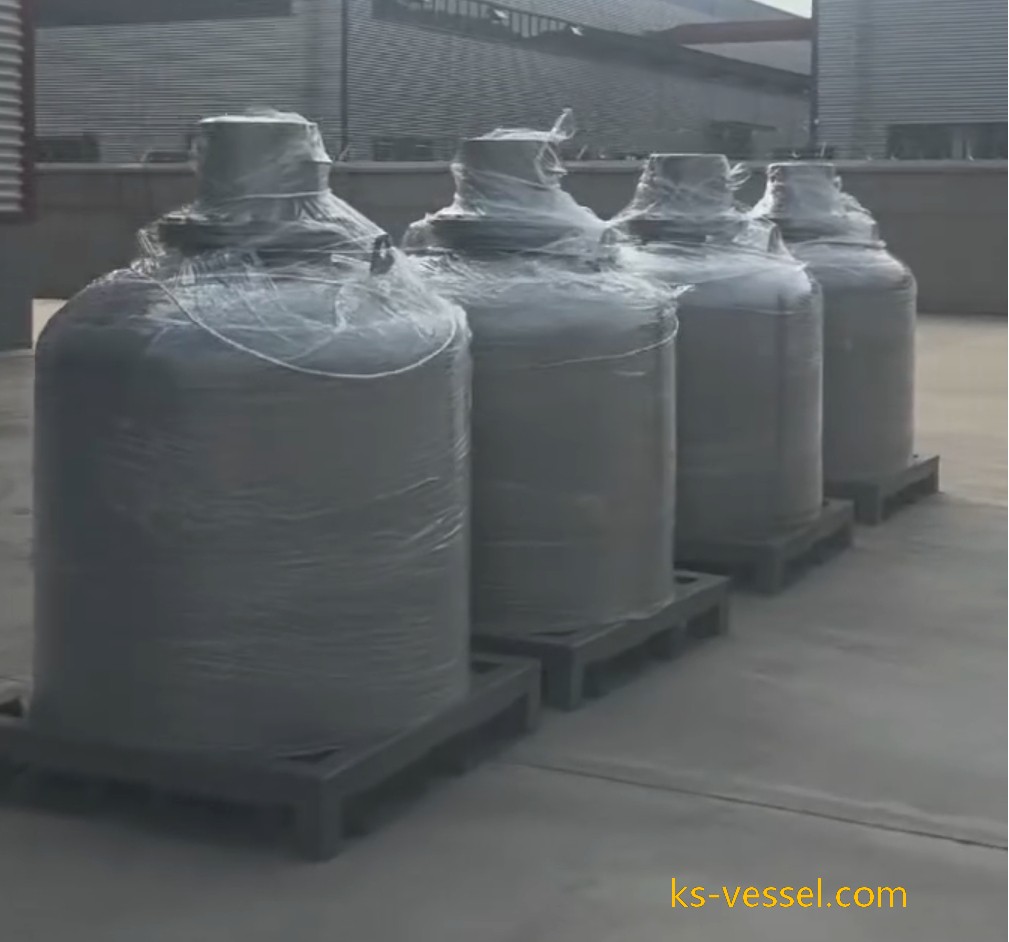
Delivery 8 PCS 900L SS316 Electronic-grade F3HSi UN 1859 SiHF3 Trifluorosilane Gas Cylinders
KSC900L Fixed Storage Tank
Product Model :KSC900L Portable Tank / Gas Cylinders
Material:S31603/SA240M 316L
Volume:900L
Operating Temperature:-40~60℃
Certification Medium:Trifluorosilane UN1859 SiHF3
Optional Certificate:TS
Work Pressure:0.5 MPa @ 60°C
Helium Leak Detection Rate:≤1X10⁻⁷pa.m³/s
Polishing Grade:EP,Ra0.07-0.25um
Product Description:Standard Operating Procedure is TSG 21-2016、 GB/T150-2011

Safety Use and Management Specifications for Trifluorosilane (F₃HSi) Gas Cylinders
Trifluorosilane (chemical formula: F₃HSi) is a hazardous gas with highly toxic, flammable, and strongly corrosive properties. The core carrier for its storage, transportation, and use is a dedicated gas cylinder. To prevent risks such as leakage, combustion, explosion, poisoning, and corrosion, the following full-lifecycle safety management specifications must be strictly followed, covering key links including cylinder selection, storage, transportation, use, and emergency disposal.
I. Keystone Vessel Cylinder Selection and Material Requirements
1. Material Standard: Prioritize 316L stainless steel or Hastelloy alloy cylinders. The inner wall must undergo electrolytic polishing (roughness Ra ≤ 0.07μm) to avoid impurity adsorption and cylinder corrosion, ensuring gas purity and structural integrity of the cylinder.
2. Sealing and Valves: Equipped with special corrosion-resistant and anti-static diaphragm valves, with seals made of fluororubber or PFA (perfluoroalkoxy resin). Valves must pass helium leak detection (leak rate ≤ 1×10⁻⁹pa·m³/s); ordinary valves or aged seals are strictly prohibited.
3. Specification and Pressure Level: Common specifications are 47L and 50L high-pressure cylinders, with a design pressure of not less than 10MPa. The working pressure shall match the saturated vapor pressure of trifluorosilane at room temperature. Cylinders must comply with GB 5099 "Seamless Steel Gas Cylinders" or ISO 9809 international standards.
4. Qualification Certification: Cylinders shall be produced by enterprises with special equipment manufacturing qualifications, accompanied by product qualification certificates, supervision and inspection certificates, and material test reports. The periodic inspection cycle shall not exceed 5 years; cylinders that are overdue, unqualified, or damaged are strictly prohibited from use.
II. Safety Specifications for Cylinder Storage
1. Storage Environment Requirements
• Store in a dedicated dangerous goods warehouse that is dry, closed, and under negative pressure ventilation. The warehouse's explosion-proof grade shall not be lower than Ex d IIBT4, equipped with an inert gas (nitrogen) purging system, leak detection and alarm devices (detecting both toxic and flammable concentrations), and an alkaline solution absorption emergency device.
• Strictly control the warehouse temperature between -30℃ and 10℃, with relative humidity ≤ 20%, to avoid pressure increase in the cylinder due to high temperature or hydrolysis of trifluorosilane caused by humidity.
• Non-explosion-proof electrical equipment (such as ordinary switches and sockets) is strictly prohibited; lighting shall use explosion-proof emergency lights. Adequate emergency materials such as sodium bicarbonate dry powder fire extinguishers, dry calcium carbonate powder, and calcium hydroxide solution shall be provided.
2. Storage and Placement Requirements
• Cylinders shall be placed upright and firmly fixed with special brackets or chains. Soft pads shall be placed at the contact points between the cylinder body and the brackets to prevent collision and wear. Valve openings shall face the same direction, away from passages and operation areas, facilitating emergency valve closing.
• Strictly store separately from oxidants, alkaline substances, active metals (such as aluminum and magnesium), and food, with a distance of not less than 15 meters. Triple warning signs of "Highly Toxic Gas", "Flammable Gas", and "Corrosive Substance" shall be set.
• Cylinders of different purities and batches shall be stored in separate zones. Establish a storage account to record information such as cylinder number, warehousing time, purity index, residual pressure, and inspection cycle to ensure full traceability.
3. Routine Inspection Requirements During Storage
• Conduct daily inspections of cylinder pressure (the normal pressure range shall comply with the manufacturer's specifications). If there is an abnormal pressure fluctuation, immediately investigate the leak and transfer the cylinder to a safe area for handling.
• Inspect for leaks by applying soapy water to valves, interfaces, and other parts weekly; open flame leak detection is strictly prohibited. If a leak is found, immediately start inert gas purging and cover with emergency neutralization materials for treatment.
• Inspect the effectiveness of the warehouse ventilation system, alarm devices, and emergency materials monthly to ensure normal operation of the equipment.
III. Safety Specifications for Cylinder Transportation
1. Transportation Qualifications and Vehicle Requirements
• Transport vehicles must have dangerous chemicals transportation qualifications (tank-type special vehicles), undergo corrosion-resistant modification, and be equipped with explosion-proof, anti-static facilities and satellite positioning systems.
• Drivers and escorts must hold dangerous chemicals transportation qualification certificates, be familiar with the hazardous characteristics of trifluorosilane and emergency disposal procedures, and carry a Safety Data Sheet (SDS) with them.
2. Operational Requirements During Transportation
• Recheck the sealing of cylinder valves before transportation, fix them with special explosion-proof brackets, and place them upright to avoid severe vibration, collision, or inversion.
• Control the transportation temperature between -30℃ and 20℃; take sunshade and heat insulation measures in summer and anti-freezing protection in winter. Exposure to sunlight and rain is strictly prohibited.
• The vehicle shall be affixed with warning signs of "Highly Toxic Gas" and "Flammable Gas", as well as prompts such as "No Open Flame" and "Maintain Safe Distance". Accompany with dangerous goods transportation documents, clearly indicating the number of cylinders, serial numbers, and cargo information.
3. Transportation Taboos
• Mixed transportation with oxidants, alkaline substances, active metals, food, etc. is strictly prohibited. The transportation route shall avoid densely populated areas, schools, hospitals, water sources, etc., and stopping in the above areas is strictly prohibited.
• Smoking and using open flames during transportation are strictly prohibited. The vehicle shall be equipped with dry powder fire extinguishers, emergency neutralization materials, and first-aid supplies (such as calcium gluconate gel).
• International transportation must comply with the requirements of the IMDG Code (International Maritime Dangerous Goods Code) and IATA (International Air Transport Association), and transportation approval procedures shall be completed in advance.
IV. Safe Operation Specifications for Cylinder Use
1. Preparation Before Use
• The use area shall be a closed glove box protected by inert gas (nitrogen/argon) or a negative pressure ventilation workshop, equipped with an efficient forced ventilation system and a trifluorosilane gas detection and alarm device (toxic alarm threshold ≤ 0.15mg/m³, flammable alarm threshold ≤ 0.3% volume fraction).
• Operators shall wear full set of protective equipment: positive pressure air respirator (full-face mask type), PFA chemical protective clothing, fluororubber gloves, and chemical-resistant boots. Wearing chemical fiber clothing is strictly prohibited (to avoid generating static electricity).
• Inspect that the cylinder has no external damage and the valve is intact. Confirm that the used equipment (pipes, pressure reducing valves, joints) is made of corrosion-resistant materials (316L stainless steel or PFA) and has been purged and replaced with inert gas (residual oxygen content ≤ 0.1%).
2. Operation During Use
• Operate slowly when opening the valve: first purge interface impurities at a small opening for 30 seconds, then connect the equipment. After connection, perform helium leak detection and confirm no leakage before ventilating.
• Strictly control the gas flow rate (not exceeding the rated flow rate of the cylinder), and real-time monitor the gas concentration in the use area. If the concentration exceeds the standard, immediately close the valve, ventilate and replace until it meets the standard, then investigate the leak.
• Knocking and colliding with the cylinder are prohibited; hot working such as electric welding and gas cutting on the cylinder is strictly prohibited. The cylinder shall remain upright during use and shall not be placed horizontally or inverted.
3. Post-Use Treatment
• After use, first close the main valve of the cylinder, then purge the residual trifluorosilane in the pipeline with inert gas to prevent hydrolysis, blockage, or leakage.
• Disassemble the connection interface, seal the valve outlet with a special plug, and record information such as use time, dosage, and residual pressure.
• Transfer the cylinder to a dedicated storage area; do not store it at the use site for a long time.
V. Cylinder Leakage and Emergency Disposal
1. Leakage Emergency Response
• Immediately activate the emergency plan upon discovering a leak, evacuate personnel in the contaminated area to a safe area upwind, and set a warning radius of ≥ 100 meters. Unauthorized personnel are strictly prohibited from entering.
• Emergency disposal personnel shall wear full set of protective equipment (positive pressure air respirator, PFA chemical protective clothing, anti-static gloves) and carry explosion-proof tools for disposal.
2. Leakage Control and Treatment
• If the valve is intact, slowly close the main valve of the cylinder; if the valve is damaged and cannot be closed, use special plugging tools for plugging, and the entire process shall be operated under the protection of inert gas.
• Small Leakage: Cover and absorb with dry calcium carbonate powder or calcium hydroxide powder. The absorbed waste shall be sealed and packaged for disposal as hazardous waste.
• Large Leakage: Build a corrosion-resistant dike to contain the leak, use explosion-proof pumping equipment to introduce the leaked gas into an alkaline solution absorption tower (sodium hydroxide solution) for neutralization treatment. Direct flushing with water is strictly prohibited (to avoid accelerating hydrolysis and generating a large amount of HF).
3. Emergency Response to Fire and Personal Injury
• Fire Disposal: Immediately cut off the leak source, extinguish the fire with dry powder fire extinguishers or carbon dioxide fire extinguishers. Water and foam fire extinguishers are strictly prohibited. Firefighters shall operate upwind and wear full set of protective equipment.
• Personal Injury Disposal:
○ Inhalation: Transfer to a well-ventilated area, keep the respiratory tract unobstructed, administer oxygen (avoid pure oxygen), and seek medical attention immediately while informing the doctor of the exposure history.
○ Skin Contact: Immediately rinse with a large amount of flowing water for 15 minutes, apply calcium gluconate gel, and seek medical attention.
○ Eye Contact: Rinse with a large amount of water or normal saline for 15 minutes, instill calcium gluconate eye drops, and seek medical attention.
VI. Cylinder Scrapping and Recycling
1. When a cylinder reaches its service life, fails inspection, or has defects such as deformation, corrosion perforation, or irreparable valves, immediately stop using it, affix a "Scrapped" label, and store it separately.
2. Before scrapping, professional personnel shall purge the residual gas in the cylinder with inert gas, then absorb and treat it with alkaline solution until it meets the standard. Hand it over to an institution with hazardous waste recycling qualifications for disassembly, recycling, or destruction.
3. Establish a scrapping account to record information such as the reason for scrapping, treatment time, and treatment institution, with a retention period of not less than 5 years.
VII. Supplementary Provisions
1. Matters not covered in these specifications shall comply with the "Regulations on the Safety Administration of Hazardous Chemicals", "Gas Cylinder Safety Supervision Regulations", and relevant international standards.
2. Personnel involved in the use and management of cylinders must receive professional training, be familiar with these specifications and emergency disposal procedures, and can only take up their posts after passing the assessment. Conduct regular emergency drills to improve emergency disposal capabilities.

Keystone Vessel Manufacturing Co., Ltd
Keystone VesselSpecializing - Industrial Gas Cylinders| ISO Tank| Pressure Vessel| UN Portable Tanks


