
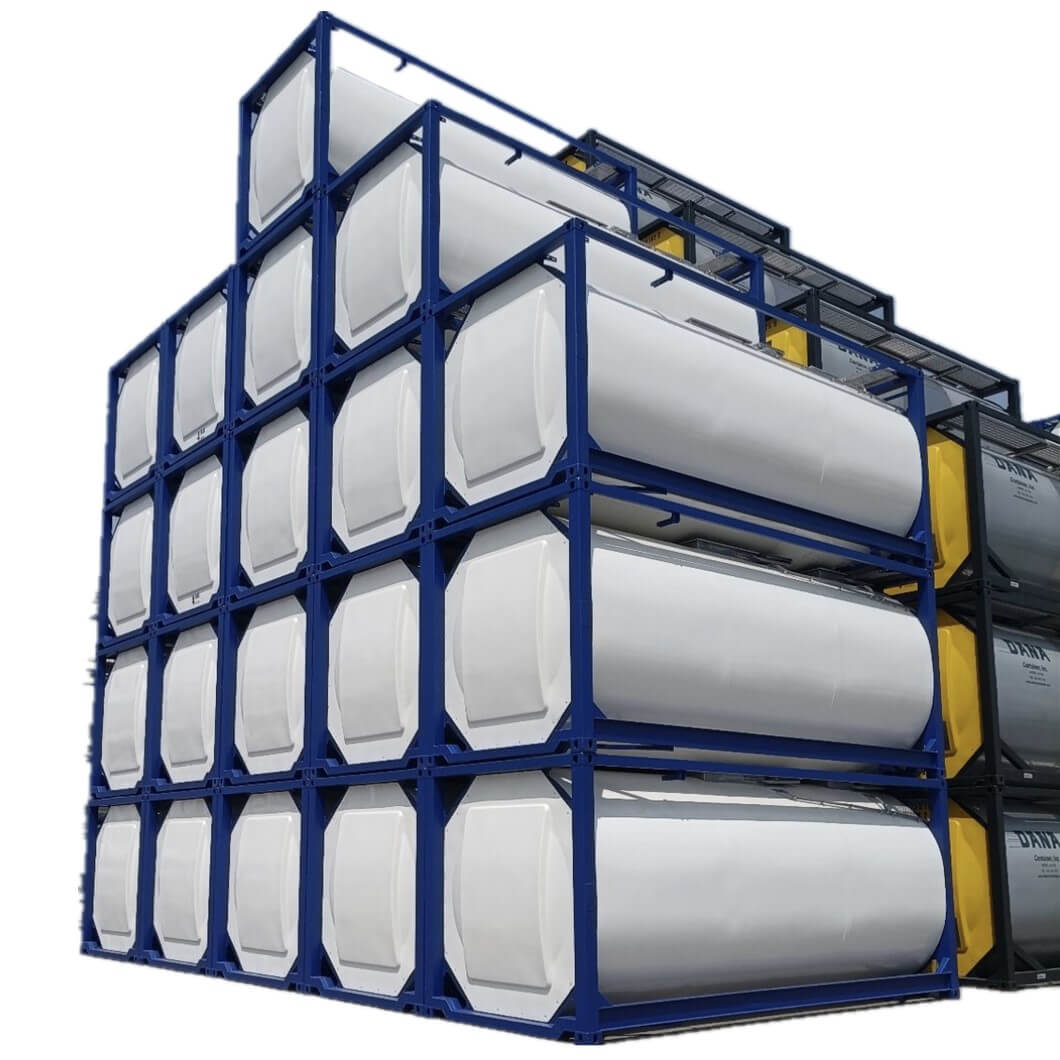
Views: 2025 Author: Keystone Vessel (Wuhan) Publish Time: 2025-11-06 Origin: Keystone Vessel (Wuhan)
160 PCS Stainless Steel Electronic Grade Gas Cylinder for 99.999% 5n Sih2cl2 Dichlorosilane UN 2189 DCS
High-purity Dichlorosilane Gas Cylinders
Electronic-grade High-purity Cylinders
KSC40L ,10L,240L,450L Cylinders
Operating Temperature:-40~65℃
Certification Medium:DCS、UN2189、UN2196……Electronic Specialty Gases
Optional Certificate:TS、UN、TPED、DOT
Work Pressure:2.2MPa
Helium Leak Detection Rate:≤1X10⁻⁹ pa.m³/s
Polishing Grade:EP,Ra0.07-0.25um
Product Description:Standard Operating Procedure is ASME Ⅷ Div.1 ISO 18172-1 IMDGCODE TSG23 GB/T 32566
Safety Specifications for High-Purity Dichlorosilane (SiH₂Cl₂)
High-Purity Dichlorosilane (chemical formula: SiH₂Cl₂) is an important electronic-grade silicon-containing chemical raw material, mainly used in high-
tech fields such as semiconductors and photovoltaics for the preparation of high-purity silicon, epitaxial films and silicon-based materials. Its purity is usually required to be ≥99.999% (5N) or higher, and the content of impurities (such as metal ions, moisture, and other chlorosilane derivatives) must be strictly controlled below the ppm level. Due to its dangerous characteristics of flammability, toxicity, and corrosiveness, as well as its high chemical reactivity, strict compliance with professional safe operation and regulatory management requirements is essential. The following is a detailed explanation of its core information and key specifications:
I. Basic Identification Information
Item | Details |
English Name | High-Purity Dichlorosilane |
CAS Number | 4109-96-0 |
Chemical Formula | SiH₂Cl₂ |
Molecular Weight | 101.00 g/mol |
UN Number | UN 2189 |
Hazard Class | Class 2.3 Toxic Gas (primary hazard); Class 2.1 Flammable Gas (secondary hazard); Class 8 Corrosive Substance (secondary hazard) |
Typical Purity Indicators | ≥99.999% (5N), metal impurities (Na, K, Fe, Cu, etc.) ≤10 ppb, moisture ≤5 ppb, HCl ≤10 ppb, other chlorosilanes (SiHCl₃, SiCl₄) ≤500 ppb |
Chemical Name: Dichlorosilane
Synonyms :dichlorsilane;dichloro-silan;DICHLOROSILANE;dichlorosilicon;Silane,dichloro-;DICHLOROSILANE 99;DICHLOROSILANE 97+%;DICHLOROSILANE: 99.5%;siliconchloridehydride;DICHLOROSILANE, 99.9+%

Dichlorosilane is a silicon precursor for epitaxial silicon, silicon germanium, silicon nitride, silicon oxide, silicon carbide and metal silicide thin films.
Grades available
Dichlorosilane is primarily sold in ultra-high-purity grades for use in the electronics industry. A typical specification usually quantifies the acceptable levels of hydrocarbons and metals.
Gas purity guidelines have been developed and published by Semiconductor Equipment and Materials International and can be found in the book of Book of SEMI Standards.
Uses
Dichlorosilane is primarily used in the electronics industry for such applications as growth of epitaxial or polycrystalline silicon and chemical vapor deposition of silicon dioxide and silicon nitride.
It is an outstanding material for epitaxial deposition. Its silicon content by weight is greater than either trichlorosilane or silicon tetrachloride. Dichlorosilane deposits silicon more efficiently and at lower temperatures than the other chlorosilanes in epitaxial reactors. Dichlorosilane significantly lowers the processing time from that required with silane for deposi- tion of thick layers at reduced temperatures.
The deposition rate of dichlorosilane does not vary appreciably with minor temperature changes inside the reactor, therefore substantially lowering the rejection rate by reducing variations in layer thickness and degree of taper. Since the deposition rate of dichlorosilane is not as temperature sensitive as that of other chlorosilanes, the rate is controlled by adjusting the dichlorosilane concentration in the hydrogen feedstream.
Preparation
Dichlorosilane is most commonly produced by the disproportionation of trichlorosilane in a catalytic redistribution reactor. The trichlorosilane is initially produced from metallurgical silicon that is reacted with hydrogen and silicon tetrachloride.
Physiological Effects
Dichlorosilane hydrolyzes and oxidizes readily to release hydrogen chloride; therefore, the symptoms, effects, and treatment will be similar to those for hydrogen chloride. Dichlorosilane will cause severe bums on contact with eyes, skin, and mucous membranes.
If dichlorosilane is inhaled, immediately remove the victim to fresh air. If breathing is dif- ficult, give oxygen. Prompt treatment by a physician is required even if no symptoms of exposure are evident since the symptoms may be delayed.
Inhalation of low concentrations of vapors will cause irritation of the respiratory tract, producing cough, excess sputum, and chest discomfort. Inhalation of vapors can cause severe irritation or bums of moist skin, mucous membranes, and the upper respiratory tract, as well as delayed pulmonary edema. Chronic exposure to the vapors may cause discoloration or erosion of the teeth, bleeding of nose and gums, and ulceration of the nasal mucosa.
Vapor contact with the eye will cause severe irritation experienced as pain in the eye, excess lachrymation, closure of the eyelids, and marked excess redness and swelling of the conjunctive. If high concentrations of hydrogen chloride vapor are formed, then corneal injury can occur. Splash contamination may cause severe conjunctivitis seen as marked excess redness and swelling of the conjunctive, discharge, iritis, and severe corneal injury. The corneal injury, if untreated, could result in permanent blindness.
Disposal
Dichlorosilane should not be discharged directly into surface waters or sewer systems since an acidic waste product is formed. The disposal can be accomplished by controlled introduction of the product into water. The exothermic reactions of dichlorosilane with water (hydrolysis) result in the formation of hydrochloric acid and an insoluble silicon containing solid or fluid. In order to prevent air pollution, the quantity of water must be sufticient to dissolve all of the hydrogen chloride that will be formed. The ratio of water to dichlorosilane should be at least 10 to 1. The corrosive and exothermic nature of the reaction should be considered in selecting materials of construction for the equipment used in this procedure.
The hydrochloric acid formed should then be neutralized with an alkali agent such as aqueous ammonia, sodium hydroxide, lime slurry, etc., and should be added as an aqueous solution with agitation to the acidic medium. Consideration must be given to the additional heat that will be produced by the neutralization.
Silicon-containing solids should be washed to remove residual acid. Discard any product, residue, disposable container, or liner in an environmentally acceptable manner. Disposal of dichlorosilane by neutralizing, scrubbing, incineration, or by other means, may be subject to permitting by federal, state or provincial regulations. Persons involved with disposal of dichiorosilane should check with the environmental authorities having jurisdiction to determine the applicability of permitting regulations to disposal activities.
Description
Dichlorosilane is a highly flammable, corrosive, and toxic gas at room temperature and atmospheric pressure. It causes severe bums on contact with eyes, skin, and mucous membranes. With water or moisture, it hydrolyzes rapidly to yield silica and silicon oxyhydride along with hydrochloric acid. It is shipped as a liquefied gas in low pressure cylinders at its vapor pressure of 9.1 psig (62.7 kPa) at 70°F (21.1℃. It can form flammable mixtures with air and oxidizing agents.
Chemical Properties
colourless gas
Uses
Dichlorosilane is primarily used in the electronics industry for such applications as growth of epitaxial or polycrystalline silicon and chemical vapor deposition of silicon dioxide and silicon nitride.
Application
Gives improved yields in reduction of imines over that of trichlorosilane.Easier to handle form of dichlorosilane.
General Description
Dichlorosilane is a flammable and poisonous gas, with a strong repulsive odor. Dichlorosilane is easily ignited in air, reacts with oxidizing agents, is very toxic by inhalation, and is a strong irritant to skin, eyes and mucous membranes. Under prolonged exposure to fire or intense heat the container may rupture violently or rocket.
Air & Water Reactions
Highly flammable. Based on the properties of similar materials, there is the possibility that the reaction of Dichlorosilane with water may be vigorous or violent. Products of the reaction include hydrogen chloride. The reaction generates heat and this heat may be sufficient to ignite the product. The chlorosilicon hydrides(ClxSiHy) are spontaneously flammable in air, NFPA 1991.
Reactivity Profile
Chlorosilanes, such as Dichlorosilane, are compounds in which silicon is bonded to from one to four chlorine atoms with other bonds to hydrogen and/or alkyl groups. Chlorosilanes react with water, moist air, or steam to produce heat and toxic, corrosive fumes of hydrogen chloride. They may also produce flammable gaseous H2. They can serve as chlorination agents. Chlorosilanes react vigorously with both organic and inorganic acids and with bases to generate toxic or flammable gases.
Hazard
Dichlorosilane is toxic by inhalation and skin absorption. Hydrogen chloride causes severe eye and skin burns and is irritating to the skin, eyes, and respiratory system. The four-digit UN identification number is 2189. The NFPA 704 designation is health 4, flammability 4, and reactivity 2. The white area at the bottom of the diamond contains a W with a slash through it, indicating water reactivity.
Health Hazard
TOXIC; may be fatal if inhaled or absorbed through skin. Contact with gas or liquefied gas may cause burns, severe injury and/or frostbite. Fire will produce irritating, corrosive and/or toxic gases. Runoff from fire control may cause pollution.
Fire Hazard
Flammable; may be ignited by heat, sparks or flames. May form explosive mixtures with air. Vapors from liquefied gas are initially heavier than air and spread along ground. Vapors may travel to source of ignition and flash back. Some of these materials may react violently with water. Cylinders exposed to fire may vent and release toxic and flammable gas through pressure relief devices. Containers may explode when heated. Ruptured cylinders may rocket. Runoff may create fire or explosion hazard.
Flammability and Explosibility
Extremely flammable liquified gas
Materials Uses
Dichlorosilane, in the complete absence of water, can be safely stored in mild steel equipment. In the presence of even small traces of water, dichlorosilane becomes extremely corrosive since the Si-CI bonds react rapidly with water, generating hydrogen chloride.br/> Because of reactivity with water, dichlorosilane should always be handled in dry equipment with a dry inert gas such as nitrogen. For transfer service, dry inert gas is preferred to pumping. Some examples of other common compatible materials used include: Viton, Teflon, Kel-F, nickel, Monel, and some types of stainless steel.
Safety Profile
Moderately toxic by inhalation. Ignites spontaneously in air. Confined mixtures with air are spontaneously explosive. When heated to decomposition it emits toxic fumes of Cl-. See also CHLOROSILANES.
Physiological effects
Dichlorosilane hydrolyzes and oxidizes readily to release hydrogen chloride; therefore, the symptoms, effects, and treatment will be similar to those for hydrogen chloride. Dichlorosilane will cause severe bums on contact with eyes, skin, and mucous membranes.
If dichlorosilane is inhaled, immediately remove the victim to fresh air. If breathing is difficult, give oxygen. Prompt treatment by a physician is required even if no symptoms of exposure are evident since the symptoms may be delayed.
storage
Since dichlorosilane is a highly flammable, corrosive, and toxic liquefied gas, appropriate precautions must be taken in its storage and handling. During the handling of chlorosilanes, the use of such protective equipment as goggles, neoprene or natural rubber gloves, and protective clothing is essential. SCBAs, as well as both safety showers and eyewash fountains, should be available for emergency use.
Cylinders should be assigned a definite area for storage. The area should be dry, cool, well ventilated, fire resistant, and away from ignition sources. Keep cylinders protected from excessive temperature rise by storing them away from radiators or other heat sources. Storage conditions should comply with local and state regulations.
Cylinders may be stored in the open, but must be protected against extremes of weather and from the dampness of the ground to prevent rusting. During the summer, cylinders stored in the open should be shaded against the continuous direct rays of the sun in those localities where extreme temperatures prevail.
Toxics Screening Level
The initial threshold screening levels (ITSLs) for dichlorosilane (DS) are 2900 μg/m3 (1-hr averaging time) and 28 μg/m3 (annual averaging time).
Waste Disposal
Dichlorosilane should not be discharged directly into surface waters or sewer systems since an acidic waste product is formed. The disposal can be accomplished by controlled introduction of the product into water. The exothermic reactions of dichlorosilane with water (hydrolysis) result in the formation of hydrochloric acid and an insoluble silicon containing solid or fluid. In order to prevent air pollution, the quantity of water must be sufticient to dissolve all of the hydrogen chloride that will be formed. The ratio of water to dichlorosilane should be at least 10 to 1. The corrosive and exothermic nature of the reaction should be t;onsidered in selecting materials of construction for the equipment used in this procedure.
The hydrochloric acid formed should then be neutralized with an alkali agent such as aqueous ammonia, sodium hydroxide, lime slurry, etc., and should be added as an aqueous solution with agitation to the acidic medium. Consideration must be given to the additional heat that will be produced by the neutralization. Silicon-containing solids should be washed to remove residual acid. Discard any product, residue, disposable container, or liner in an environmentally acceptable manner. Disposal of dichlorosilane by neutralizing, scrubbing, incineration, or by other means, may be subject to permitting by federal, state or provincial regulations. Persons involved with disposal of dichiorosilane should check with the environmental authorities having jurisdiction to determine the applicability of permitting regulations to disposal activities.
GRADES AVAILABLE
Dichlorosilane is primarily sold in ultra- high-purity grades for use in the electronics industry. A typical specification usually quantifies the acceptable levels of hydrocarbons and metals.
Gas purity guidelines have been developed and published by Semiconductor Equipment and Materials International and can be found in the book of Book ofSEMI Standards
Keystone Vessel Manufacturing Co., Ltd
Specializing - Industrial Gas Cylinders| ISO Tank| Pressure Vessel| UN Portable Tanks


