
Views: 2025 Author: Keystone Vessel (Wuhan) Publish Time: 2024-03-26 Origin: Keystone Vessel (Wuhan)
100 PCS Electronical Grade UN 2189 DCS Cl2H2Si High-purity Dichlorosilane Gas Cylinders Delivery
Electronic-grade High-purity Cylinders
KSC10L Cylinders
Product Model :KSC10L
Volume:10L
Operating Temperature:-40~65℃
Certification Medium:DCS、UN2189、UN2196……Electronic Specialty Gases
Optional Certificate:TS、UN、TPED、DOT
Work Pressure:2.2MPa
Helium Leak Detection Rate:≤1X10⁻⁹ pa.m³/s
Polishing Grade:EP,Ra0.07-0.25um
Product Description:Standard Operating Procedure is ASME Ⅷ Div.1 ISO 18172-1 IMDGCODE TSG23 GB/T 32566
Safety Specifications for High-Purity Dichlorosilane (SiH₂Cl₂)
High-Purity Dichlorosilane (chemical formula: SiH₂Cl₂) is an important electronic-grade silicon-containing chemical raw material, mainly used in high-tech fields such as semiconductors and photovoltaics for the preparation of high-purity silicon, epitaxial films and silicon-based materials. Its purity is usually required to be ≥99.999% (5N) or higher, and the content of impurities (such as metal ions, moisture, and other chlorosilane derivatives) must be strictly controlled below the ppm level. Due to its dangerous characteristics of flammability, toxicity, and corrosiveness, as well as its high chemical reactivity, strict compliance with professional safe operation and regulatory management requirements is essential. The following is a detailed explanation of its core information and key specifications: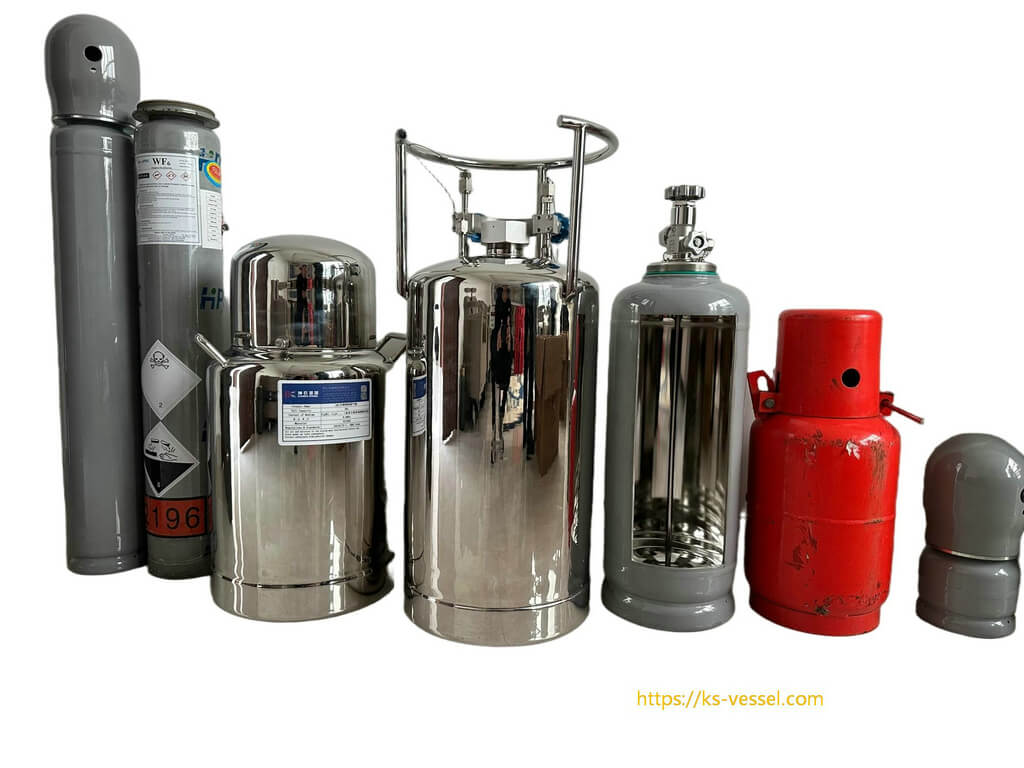
I. Basic Identification Information
Item | Details |
English Name | High-Purity Dichlorosilane |
CAS Number | 4109-96-0 |
Chemical Formula | SiH₂Cl₂ |
Molecular Weight | 101.00 g/mol |
UN Number | UN 2189 |
Hazard Class | Class 2.3 Toxic Gas (primary hazard); Class 2.1 Flammable Gas (secondary hazard); Class 8 Corrosive Substance (secondary hazard) |
Typical Purity Indicators | ≥99.999% (5N), metal impurities (Na, K, Fe, Cu, etc.) ≤10 ppb, moisture ≤5 ppb, HCl ≤10 ppb, other chlorosilanes (SiHCl₃, SiCl₄) ≤500 ppb |
II. Core Physical and Chemical Properties
1. State and Appearance: Colorless and transparent gas with a slight pungent odor (similar to hydrochloric acid) under normal temperature and pressure; it can be liquefied under pressurized or low-temperature conditions, and the liquid state is a colorless and transparent liquid.
2. Key Temperature Parameters: Melting point -122.0℃, boiling point 8.2℃ (atmospheric pressure); critical temperature 176.0℃, critical pressure 4.98 MPa; since the boiling point is close to room temperature, it is extremely easy to vaporize, and strict control of temperature and pressure is required for storage and transportation.
3. Density: Relative density of gas (air=1) 3.48 (heavier than air, tending to accumulate in low-lying areas); liquid density 1.26 g/cm³ (20℃).
4. Chemical Stability:
○ Highly chemically reactive, easily undergoes hydrolysis reaction at room temperature. It reacts rapidly with moisture in the air to generate hydrochloric acid (HCl), silicon dioxide (SiO₂) and hydrogen (H₂), while releasing a large amount of heat. Reaction formula: SiH₂Cl₂ + 2H₂O → SiO₂↓ + 2HCl↑ + 2H₂↑;
○ It has reducibility and is easily oxidized by oxidants such as oxygen and chlorine. It can decompose into silicon, hydrogen chloride and hydrogen at high temperature, with a decomposition temperature ≥300℃;
○ Contact with metals (such as active metals like aluminum and magnesium) may cause reactions to generate metal chlorides and silicides; contact with alkaline substances such as strong bases and amines will cause violent neutralization reactions and release a large amount of heat.
5. Explosion Characteristics: Flammable range (in air) 4.1%~98.8% (volume fraction), with an extremely low lower explosive limit, making it very easy to form an explosive mixture; the minimum ignition energy is only 0.017 mJ, and combustion and explosion may be triggered by open flames, high temperatures, or electrostatic sparks.
III. Hazardous Characteristics and Safety Protection
1. Core Hazardous Characteristics
• Toxicity: Inhalation is the main route of poisoning. Inhalation of high concentrations can cause severe respiratory tract irritation (cough, chest tightness, difficulty breathing), and severe cases can lead to pulmonary edema and pulmonary hemorrhage; hydrochloric acid fumes can corrode the conjunctiva and cornea, causing eye burns; skin contact with liquid dichlorosilane or high-concentration gas will cause burns due to corrosion by hydrochloric acid generated by hydrolysis. Occupational Exposure Limit (OEL): PC-TWA 0.5 mg/m³, PC-STEL 1.5 mg/m³ (China GBZ 2.1-2019).
• Fire and Explosion Risk: Due to the extremely wide flammable range and extremely low ignition energy, even a small amount of leakage may trigger combustion and explosion; the combustion products are toxic and corrosive gases such as hydrogen chloride and silicon dioxide, which will expand the hazard range.
• Corrosion Risk: Hydrochloric acid generated by hydrolysis is highly corrosive, which can corrode metals, glass, ceramics and other materials, and cause chemical burns to human tissues.
• Other Risks: Hydrochloric acid fumes formed by contact with air after leakage are irritating and corrosive, causing secondary damage to the environment and human body; mixing or contacting with oxidants and alkaline substances may trigger violent reactions, even explosions.
2. Safety Protection Measures
• Personal Protective Equipment (PPE):
○ Respiratory Protection: In any scenario where contact is possible (operation, maintenance, emergency), a positive pressure air respirator (full-face mask type) must be worn; filter-type gas masks are strictly prohibited (unable to effectively protect against toxic gases and hydrochloric acid fumes);
○ Eye Protection: Wear chemical splash goggles + full-face mask (matching the respirator) to prevent eye burns from hydrochloric acid fumes and liquid splashes;
○ Skin Protection: Wear special acid-corrosion-resistant protective equipment, including fluororubber chemical protective clothing, fluororubber gloves, and chemical-resistant boots; a fire-resistant protective clothing can be worn on the outer layer to avoid direct skin contact.
• Work Environment Requirements:
○ The operation site must be set in a closed, negative-pressure ventilated special glove box or a closed workshop protected by inert gas (nitrogen/argon), equipped with an efficient forced ventilation system to ensure that the indoor gas concentration is lower than the occupational exposure limit;
○ Install a dichlorosilane gas detection and alarm device (detecting both toxic and flammable concentrations), with the alarm threshold set to 50% of the occupational exposure limit (toxic alarm) and 10% of the lower explosive limit (flammable alarm); the detection instrument must be calibrated regularly;
○ An emergency shower and an eye washer (no more than 10 meters away from the operation point) must be provided on site, ensuring sufficient water supply and stable pressure; at the same time, special emergency neutralization materials (such as dry sodium carbonate powder, calcium hydroxide powder) should be equipped, and direct flushing of leaks with water is strictly prohibited;
○ Open flames, high-temperature equipment, and electrostatic sources (such as non-explosion-proof electrical appliances, chemical fiber clothing) are strictly prohibited in the operation site; all equipment, pipelines, and valves must be grounded for static electricity, with a grounding resistance ≤10 Ω;
○ Eating, drinking, and smoking are strictly prohibited in the operation site; hands must be thoroughly cleaned before and after operation, and protective equipment is not allowed to be taken out of the operation area.
• Emergency Treatment:
○ Inhalation: Immediately leave the contaminated environment, move to a safe area with fresh and circulating air, and keep the respiratory tract unobstructed; if breathing is difficult, give oxygen (pure oxygen is strictly prohibited, must be diluted), seek medical attention immediately, and inform the doctor of the contact history;
○ Skin Contact: Immediately take off contaminated clothing, rinse the contact area with a large amount of flowing water for at least 15 minutes, avoid direct water flow impacting the leak (to prevent intensified hydrolysis) during the period, then gently wipe with a weakly alkaline solution (such as 5% sodium carbonate solution), and seek medical attention;
○ Eye Contact: Immediately rinse with a large amount of flowing water or normal saline for at least 15 minutes, keep the eyelids open during rinsing to avoid residual hydrochloric acid, and seek medical attention;
○ Leakage Treatment:
▪ Immediately activate the emergency response, evacuate all personnel in the leak-contaminated area to a safe area upwind, set up a warning zone (warning radius of at least 50 meters), and strictly prohibit irrelevant personnel from entering;
▪ Emergency personnel must wear full sets of protective equipment (positive pressure air respirator, fluororubber chemical protective clothing, anti-static gloves, etc.) and carry explosion-proof tools;
▪ Prioritize closing the leak source (such as closing the cylinder valve, cutting off the pipeline valve), and operate slowly when closing to avoid generating static electricity;
▪ Small Leakage: Cover and absorb with dry sodium carbonate powder or calcium hydroxide powder, and the absorbed waste must be disposed of as hazardous waste;
▪ Large Leakage: Build a dike to contain (the dike must be corrosion-resistant), strictly prohibit flushing or diluting with water, use special explosion-proof pumping equipment to introduce the leaked gas into a special treatment device (such as an alkaline solution absorption tower) for neutralization treatment, and the entire process must be operated under the protection of inert gas.
○ Fire Treatment: Immediately cut off the leak source, use dry powder fire extinguisher (such as sodium bicarbonate dry powder) or carbon dioxide fire extinguisher to put out the fire; water and foam fire extinguishers are strictly prohibited (water will intensify hydrolysis, generate a large amount of hydrogen and hydrochloric acid, and expand the fire and hazard); fire extinguishers must operate upwind, wear full sets of protective equipment; after extinguishing the fire, the site must be neutralized to prevent secondary leakage of residual gas.
IV. Storage and Transportation Specifications
1. Storage Requirements
• Container Selection: Use special corrosion-resistant high-pressure steel cylinders (made of 316L stainless steel or Hastelloy alloy), and the inner wall of the cylinder must be polished to avoid impurity adsorption; the cylinder valve must be a special corrosion-resistant and anti-static valve (such as a diaphragm valve) to ensure good sealing performance; the cylinder must be regularly inspected (according to GB 5099 or international standards, the inspection cycle shall not exceed 5 years), and can only be used after passing the inspection.
• Storage Environment:

○ Store in a dedicated dangerous goods warehouse that is dry, closed, and well-ventilated; the warehouse must adopt explosion-proof design (explosion-proof grade not lower than Ex d IIBT4), equipped with an inert gas (nitrogen) purging system and a leakage emergency treatment system;
○ The warehouse temperature is strictly controlled at -20℃~20℃ to avoid pressure increase in the cylinder caused by high-temperature environment; relative humidity ≤30% to prevent moisture in the air from entering the cylinder and causing hydrolysis reaction;
○ Cylinders must be placed upright and firmly fixed with special brackets to prevent tipping; strictly store separately from oxidants, alkaline substances, active metals, food additives, etc., with a distance of not less than 10 meters, and obvious isolation signs must be set;
○ Electrical switches, sockets and other equipment that may generate electric sparks are strictly prohibited in the warehouse; lighting adopts explosion-proof emergency lighting; a sufficient number of dry powder fire extinguishers and emergency neutralization materials are equipped.
• Storage Operation Notes:
○ Special explosion-proof handling tools must be used for cylinder handling; knocking, colliding, and rolling cylinders are strictly prohibited;
○ Before opening the cylinder, check the sealing performance of the valve, and confirm that there are no open flames, no moisture, and no oxidants in the surrounding environment; operate slowly when opening to avoid static electricity generated by rapid gas release;
○ After each use, close the main valve of the cylinder, and purge the residual gas in the pipeline with inert gas to prevent blockage or leakage caused by hydrolysis of residual gas in the pipeline;
○ During storage, regularly check the cylinder pressure, valve sealing condition and gas concentration in the warehouse, keep inspection records, and handle abnormalities immediately.
2. Transportation Requirements
• Transportation Qualifications: The transport vehicle must have dangerous chemicals transportation qualifications (tank-type special vehicle), equipped with explosion-proof and anti-static facilities, and installed with a satellite positioning system; the driver and escort must hold dangerous chemicals transportation qualification certificates and be familiar with the dangerous characteristics and emergency treatment methods of dichlorosilane.
• Transportation Conditions:
○ During transportation, the cylinder must be fixed on a special explosion-proof bracket and placed upright to prevent tipping and collision; the vehicle must drive at a limited speed to avoid sudden braking and sharp turns;
○ Transportation temperature is controlled at -20℃~30℃; sunshade and cooling measures must be taken in summer, and anti-freezing measures in winter; exposure to sunlight and rain is strictly prohibited;
○ The vehicle must be affixed with triple warning signs of "Toxic Gas", "Flammable Gas", and "Corrosive Substance", as well as prompt signs such as "No Open Flame" and "Keep Distance"; a Safety Data Sheet (SDS) and dangerous goods transportation documents must be attached, clearly indicating the goods name, UN number, hazard class and other information.
• Transportation Taboos:
○ Mixed transportation with oxidants, alkaline substances, active metals, food, etc. is strictly prohibited;
○ The transportation route must avoid densely populated areas, schools, hospitals, residential areas, etc., and stopping in the above areas is strictly prohibited;
○ Smoking and using open flames are strictly prohibited during transportation; the vehicle must be equipped with dry powder fire extinguishers, emergency neutralization materials and first-aid supplies;
○ Cross-border or international transportation must comply with relevant rules such as the IMDG Code (International Maritime Dangerous Goods Code) and IATA (International Air Transport Association), and corresponding transportation approval procedures must be completed in advance.
V. Main Uses and Purity Control
1. Main Uses
• Semiconductor Industry: Used as a raw material for epitaxial growth to prepare high-purity silicon epitaxial wafers; used as a precursor in chemical vapor deposition (CVD) processes to prepare insulating films such as silicon dioxide and silicon nitride, and polysilicon films; used in the etching process of semiconductor chips to achieve fine patterning.
• Photovoltaic Industry: Used to prepare silicon-based films (such as amorphous silicon and microcrystalline silicon films) for high-efficiency photovoltaic cells to improve cell conversion efficiency; used as an intermediate for high-purity silicon raw materials to produce electronic-grade polysilicon.
• Other Fields: Used in the preparation of organosilicon compounds (such as silane coupling agents); used as a reducing agent and chlorinating agent in fine chemical synthesis; used in the preparation of optical glass coatings.
2. Purity Control Requirements
• Impurity Control: Core impurities include metal impurities (Na, K, Fe, Cu, Cr, Ni, etc.), non-metal impurities (B, P, As, etc., which affect semiconductor conductivity), moisture, HCl, other chlorosilanes (SiHCl₃, SiCl₄, SiH₃Cl) and hydrocarbon impurities; 5N grade purity requires metal impurities ≤10 ppb, moisture ≤5 ppb, HCl ≤10 ppb, and other chlorosilanes ≤500 ppb.
• Detection Methods: Inductively Coupled Plasma Mass Spectrometry (ICP-MS) is used to detect metal impurities; Laser Raman Spectroscopy and Gas Chromatography-Mass Spectrometry (GC-MS) are used to detect organic impurities and chlorosilane derivatives; Karl Fischer Moisture Titrator is used to detect moisture; Ion Chromatography is used to detect HCl content.
• Preparation Process: High-purity dichlorosilane is mainly prepared by distillation purification of crude dichlorosilane (such as precision distillation, extractive distillation), which must be carried out under the protection of inert gas to avoid introducing impurities; the purification equipment must be made of corrosion-resistant and low-adsorption materials (such as 316L stainless steel, polytetrafluoroethylene).
VI. Compliance and Waste Disposal
• Compliance Requirements: The production, operation, storage and transportation of high-purity dichlorosilane must comply with national and international dangerous chemicals management regulations (such as China's "Regulations on the Safety Administration of Hazardous Chemicals", US OSHA, EU REACH, etc.), and corresponding qualifications such as production license, operation license, and dangerous goods transportation qualification must be obtained; import and export must comply with relevant regulations of customs and environmental protection departments, and approval procedures must be completed in advance.
• Waste Disposal:
○ Waste Cylinder Disposal: The residual dichlorosilane in the cylinder must first be purged with inert gas, then treated with alkaline solution until it meets the standard, and then the cylinder is recycled or scrapped by a qualified professional organization; random disposal is strictly prohibited;
○ Leakage Waste Disposal: The waste after absorption and neutralization of leakage (such as the mixture of sodium chloride and silicic acid generated by the reaction of sodium carbonate and hydrochloric acid) must be collected and classified as hazardous waste, and handed over to an organization with hazardous waste disposal qualifications for harmless treatment;
○ Disposal Taboos: Direct discharge of waste dichlorosilane into the atmosphere, water bodies or soil is strictly prohibited to avoid environmental pollution and potential safety hazards.

Keystone Vessel Manufacturing Co., Ltd
Keystone VesselSpecializing - Industrial Gas Cylinders| ISO Tank| Pressure Vessel| UN Portable Tanks


